
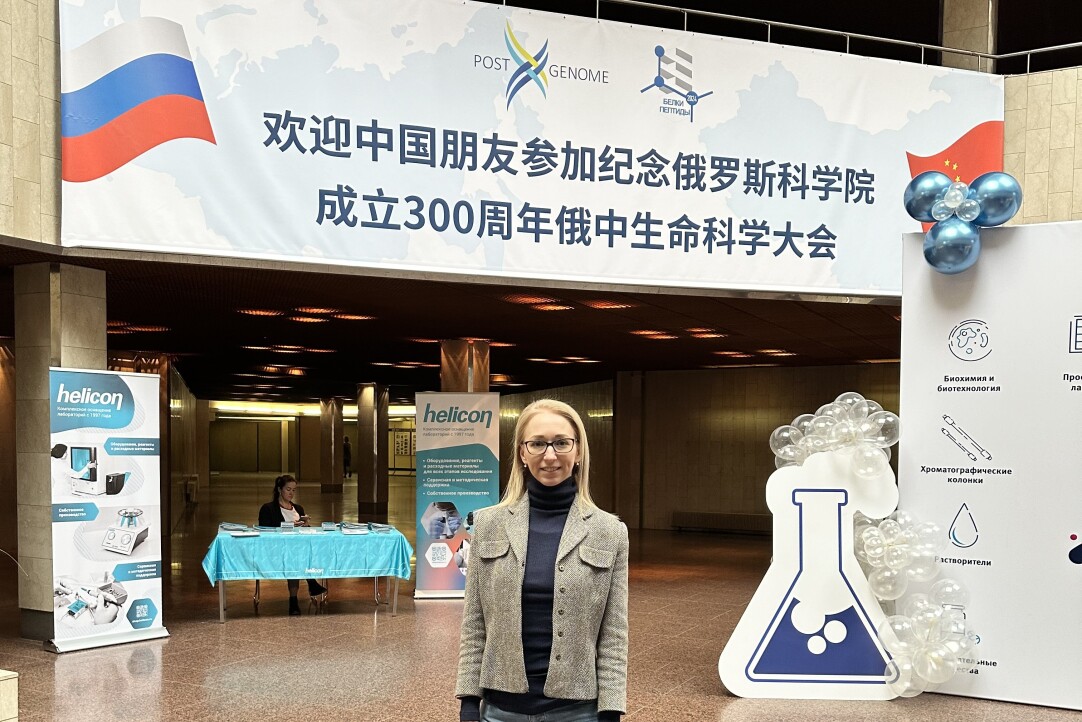
The staff of the International Laboratory participated in the International Scientific Forum
Three poster presentations were presented with the latest data of scientific research conducted in the laboratory
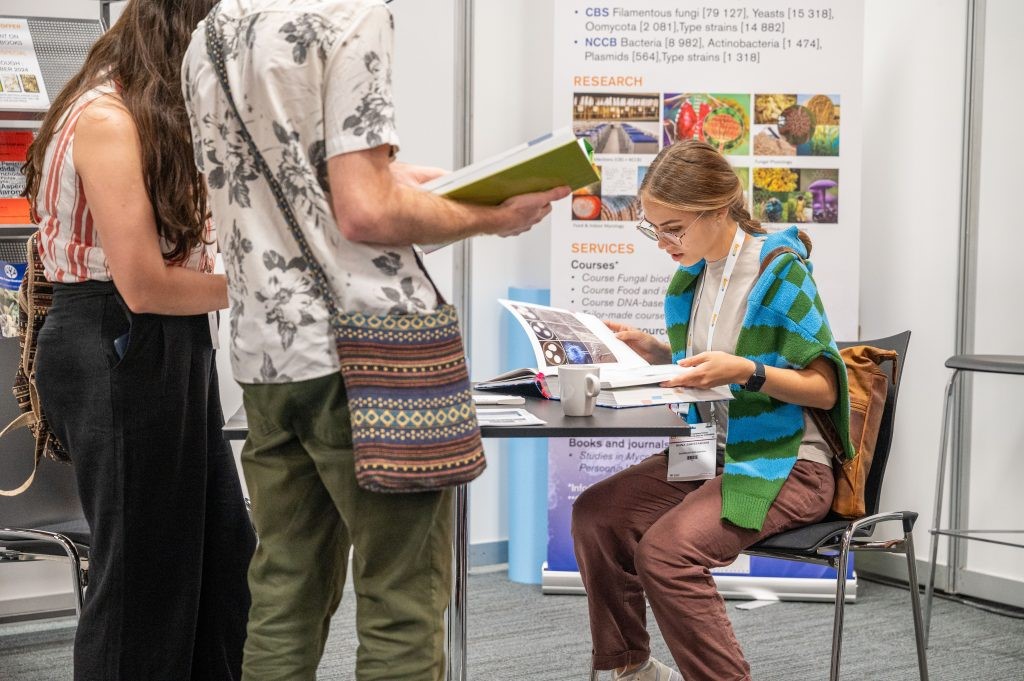
Anna Shestakova from the laboratory participated in the 12th International Mycological Congress (IMC12)
The Congress was held from 11-15 August 2024 in Maastricht, the Netherlands

The International Laboratory of Microphysiological Systems organized and conducted a conference with international participation at the Faculty of Biology and Biotechnology of the National Research University Higher School of Economics
The conference was held on 11 July 2024
_v3.jpg "The manuscript of the Laboratory of Microphysiological Systems team has been accepted for publication")
The manuscript of the Laboratory of Microphysiological Systems team has been accepted for publication
Our results show that the design of shRNA affects its processing by RNase-III Dicer and can result in the generation of undesirable 5'-isoforms of miRNA/siRNA encoded within the shRNA. This effect is especially significant for miRNA/siRNA longer than 19 nt.
Additional recruitment of research trainees to the International Microphysiological Systems Laboratory for 2024
The International Microphysiological Systems Laboratory announces recruitment of research interns among undergraduate and graduate students of the Faculty of Biology and Biotechnology of the National Research University Higher School of Economics on a competitive basis for the year 2024
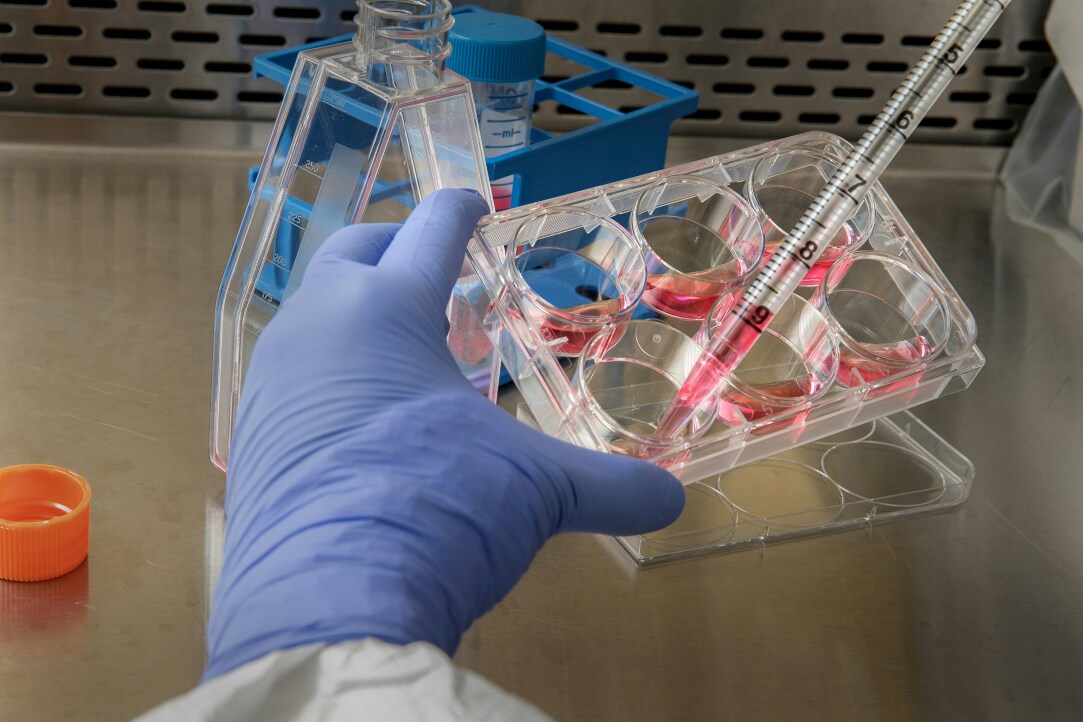
Leading media outlets issued press releases about the Laboratory's scientific publication
Researchers have established a link between forms of the CD44 protein and the severity of colorectal cancer progression.
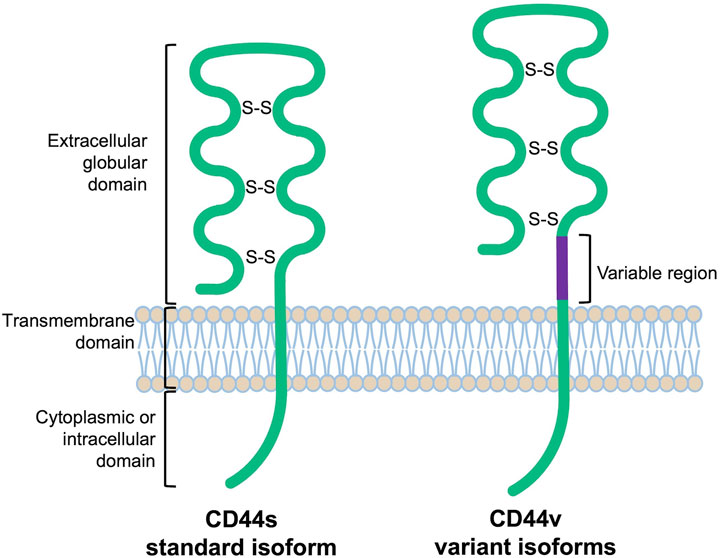
Members of International Laboratory of Microphysiological Systems published a new article in "Frontiers on Molecular Biosciences" journal
Article describes mechanisms the CD44 alternative splicing
Laboratory researchers presented a report at the conference "Science-intensive Laboratory Technologies for Clinical Practice".
20 марта 2023 г. в рамках конференции «Наукоемкие лабораторные технологии для клинической практики» на секции, посвященной опухолевым маркерам сотрудница Международной лаборатории микрофизиологических систем Мария Янова выступила с докладом «Маркеры эффективности химиотерапии с использованием гемцитабина у больных раком мочевого пузыря».
The role of ELOVL5 and IGFBP6 genes in modulating the sensitivity of breast cancer cells to ferroptosis
Researchers from the Faculty of Biology and Biotechnology at the Higher School of Economics conducted a joint study with colleagues from National Medical Research Radiological Centre of the Ministry of Health of the Russian Federation, Center for Digital Biodesign and Personalized Health Care (Sechenov University) and Institute of Bioorganic Chemistry of the Russian Academy of Sciences, dedicated to the study of the link between low expression of the IGFBP6, ELOVL5 genes and lipid metabolism in breast cancer cells. The results of the study will be published in the journal Frontiers in Molecular Biosciences.
The International Laboratory of Microphysiological Systems Held an Online Сonference With International Participation
The International Laboratory of Microphysiological Systems held an online conference with international participation: 'Bioinformatics and biomedicine' on October 19, 2022 and 'Tumor metastasis: mechanisms, key stages, modeling research' on November 25, 2022