News


Researchers from the Laboratory of Molecular Mechanisms of Longevity presented a new test system for detecting bacteriophages in dairy production. The method makes it possible to identify starter culture contamination at an early stage without complex equipment.
The Faculty of Biology and Biotechnology hosted the second conference with international participation, "Experimental and Computational Approaches to the Study of Pathological Conditions."

The Laboratory of Molecular Mechanisms of Longevity at HSE University has implemented an approach for telomere analysis using nanopore sequencing. This technology enables the study of telomere length at individual chromosome ends and opens up new possibilities for investigating the mechanisms of aging and age-related diseases.

On April 16, 2026, Maxim Shkurnikov, head of the Laboratory for Research on Molecular Mechanisms of Longevity, took part in the work of the evaluation committee of the section "Genetic Technologies in Healthcare" within the framework of the II All-Russian Forum of Young Scientists (https://кму-ран300.рф/pdf/programm_RAN_2026.pdf).
The HSE Laboratory for Research on Molecular Mechanisms of Longevity hosted a seminar on modern approaches to the creation and use of drugs based on extracellular vesicles. Topical issues of biogenesis, standardization, and clinical translation of exosomal technologies as a promising area of biomedical research were discussed.
The Laboratory for Research on Molecular Mechanisms of Longevity at the Higher School of Economics held a seminar on current issues related to induced pluripotent stem cells (iPSC). The focus of the discussion was on approaches to obtaining iPSC from somatic cells, as well as the prospects for their application in microfluidic models of pathological conditions.
A study conducted by researchers from the Laboratory of Molecular Mechanisms of Longevity, focusing on the role of the tumor microenvironment in triple-negative breast cancer, has been accepted for publication in the journal Current Drug Therapy. The work reveals new aspects of the interactions between tumor cells and their microenvironment

An article by laboratory researchers has been published in Progress in Lipid Research (impact factor 14.9), a leading international journal dedicated to research on lipids and metabolism. The paper, “Structure-guided dissection of the genetic variations within human LPA locus and its role in the development of cardiovascular diseases,” examines key genetic factors underlying cardiovascular risk
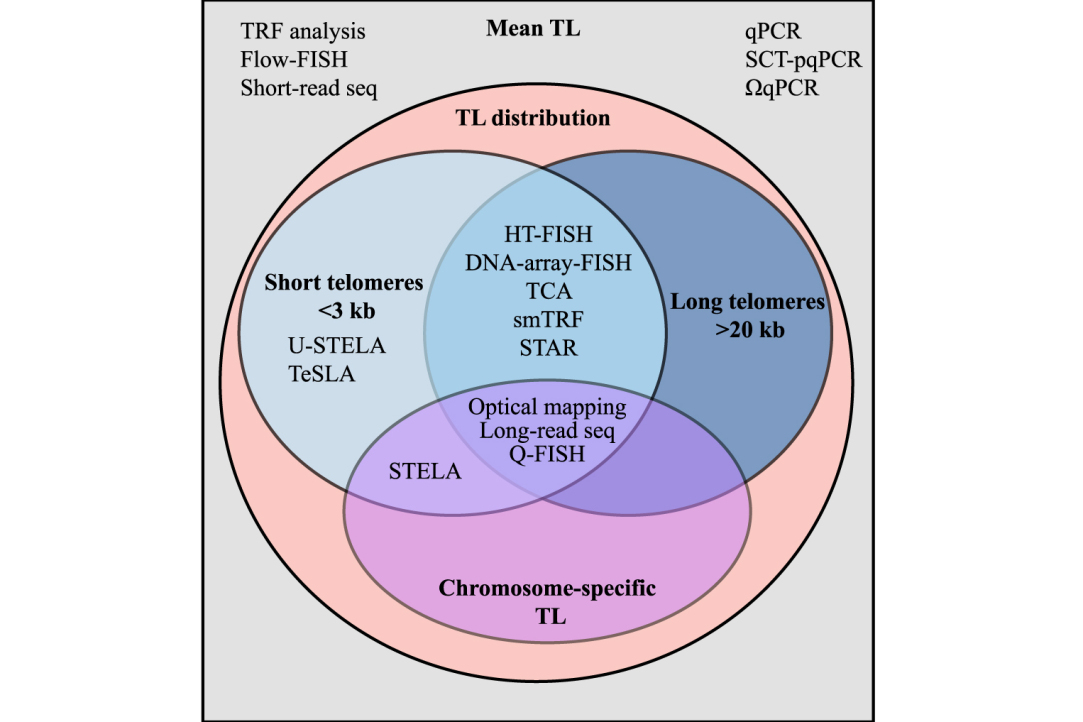
A review article by researchers of the Laboratory of Molecular Mechanisms of Longevity on modern approaches to telomere length measurement has been accepted for publication in the journal Frontiers in Molecular Biosciences
.jpg)
The Laboratory for the Study of Molecular Mechanisms of Longevity has put into operation a new portable sequencer, “Nanoporus”, based on nanopore sequencing technology. It enables the acquisition of long DNA and RNA reads without amplification or chemical modification of samples. The first application of the device focuses on decoding the genomes of ten industrial Lactobacillus strains used in cheesemaking, and the resulting data will serve as a basis for de novo assembly of complete genomes and the study of structural variations, expanding the laboratory’s capabilities in genomics, epigenetics and the molecular mechanisms of longevity